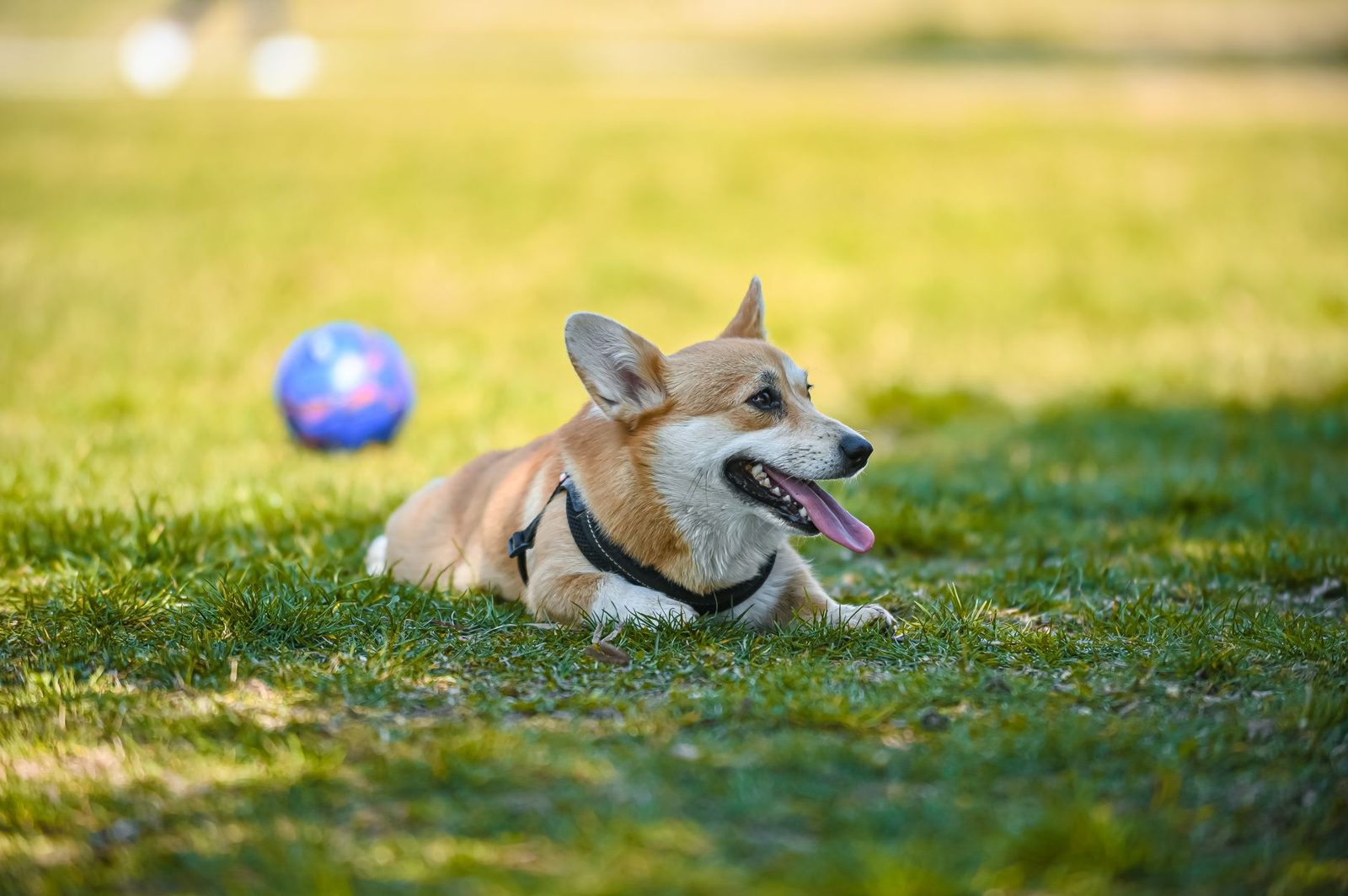
Pets can’t cool themselves the way we do, so a heat wave is genuinely dangerous for them. Here’s the full guide to keeping your dog or cat safe — from the parked-car rule to hot pavement to spotting heat stroke — plus the emergency numbers to have ready.
Please note: This is general guidance, not medical advice, and not a substitute for professional care. Always consult your physician, veterinarian, or another licensed professional about your specific situation. In an emergency, call 911.
The parked-car rule (and why heat is worse for pets)
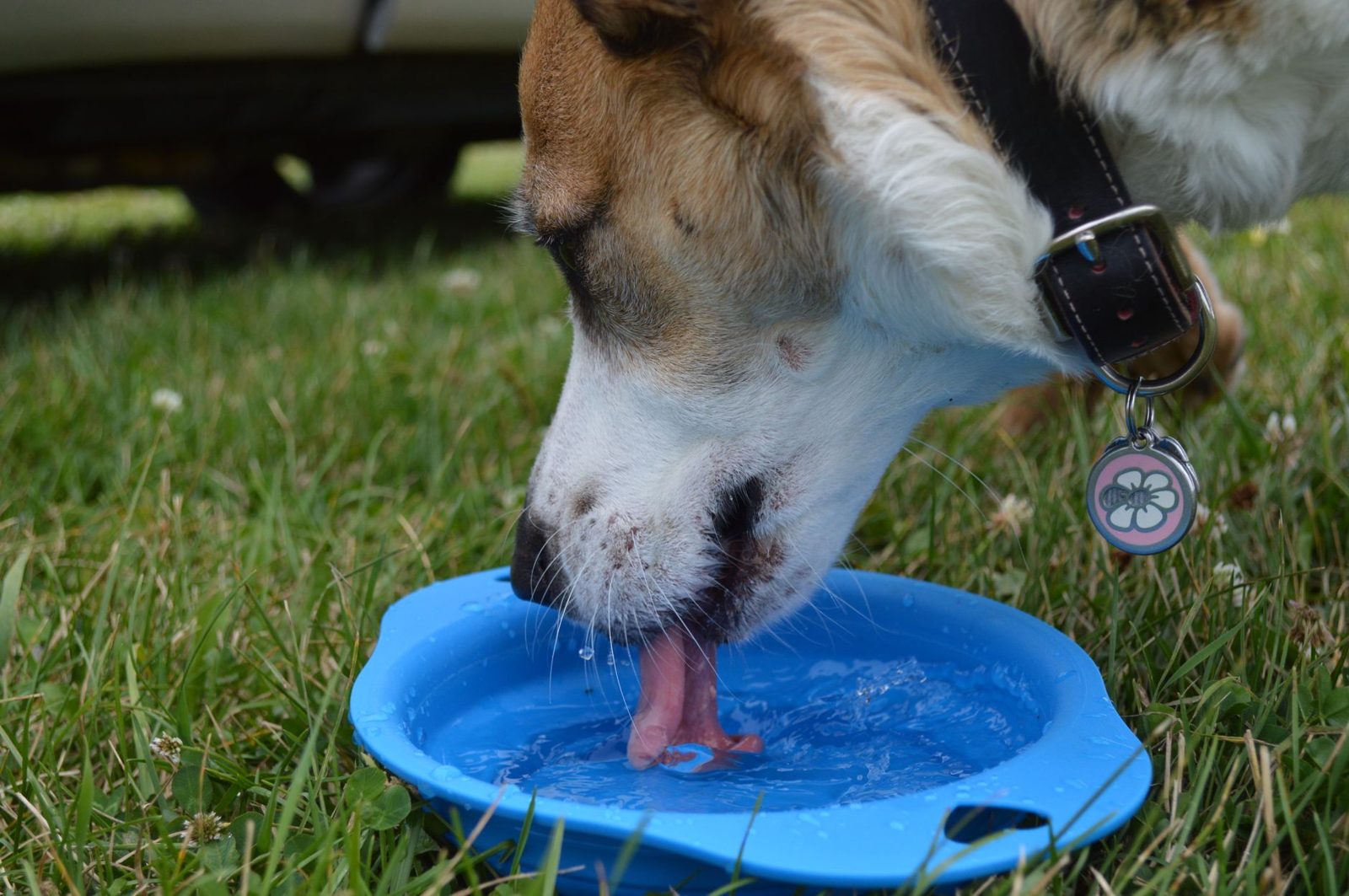
Dogs and cats cool themselves mainly by panting, which fails quickly in heat — so hot weather is more dangerous for them than for us. The most important rule:
- Never leave a pet in a parked car — even a couple of minutes, even with windows cracked
- On an 85°F day, a car hits 100°F+ in 10 minutes and can reach 120°F
- See a pet in distress in a hot car? Call animal control or 911
- Leave pets home on hot-day errands — the house is safer than the car
Signs: frantic, relentless panting; heavy drooling; bright red or pale gums; wobbliness or weakness; vomiting or diarrhea; collapse. Move to shade/AC, wet them with cool (not ice-cold) water, offer small sips, and get to a vet immediately — call ahead.
Water and shade, always
Whenever pets are outside — and honestly, keep them in on the worst days:
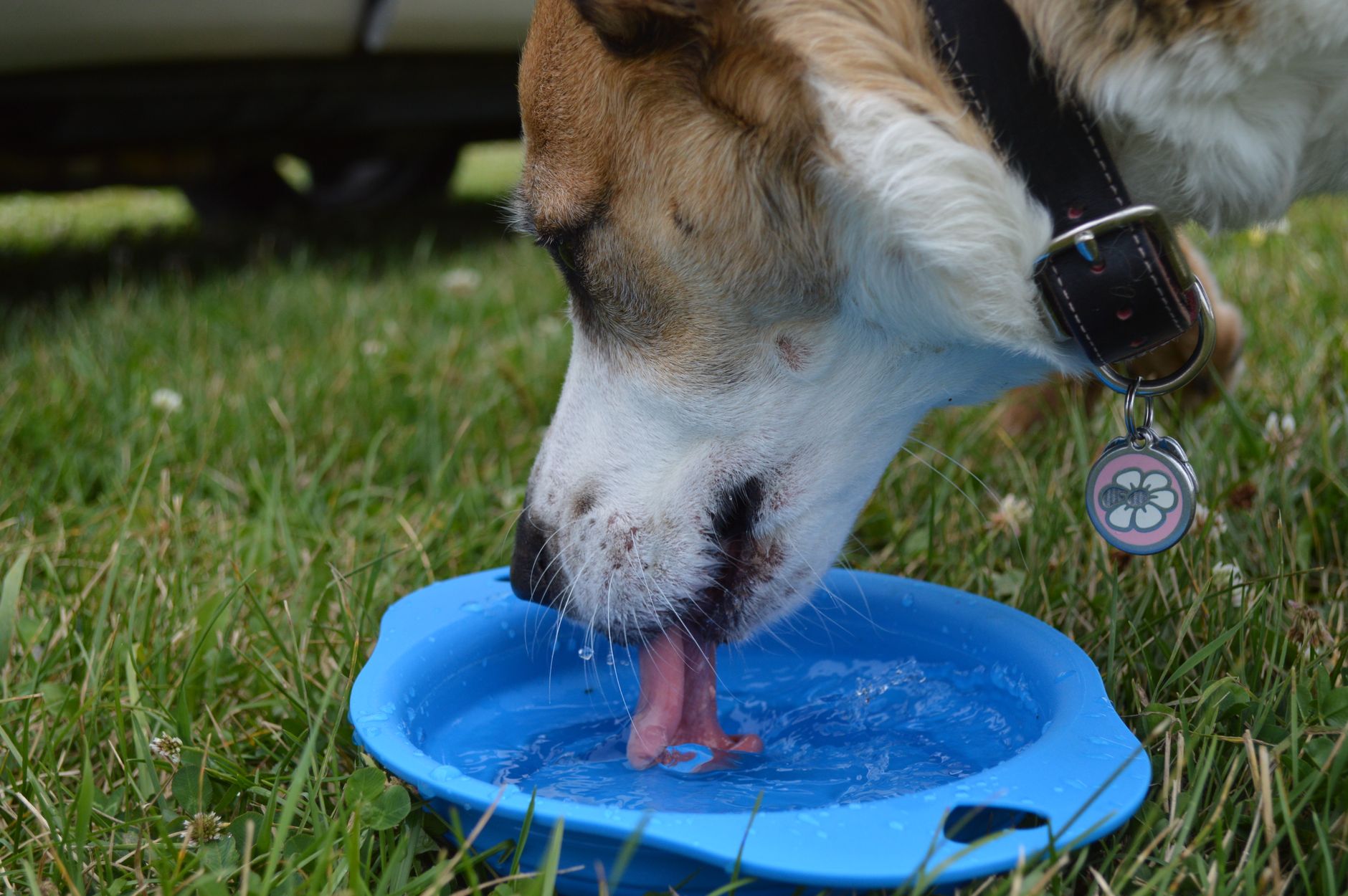
- Provide fresh, cool water at all times; add ice cubes and set out a spare bowl
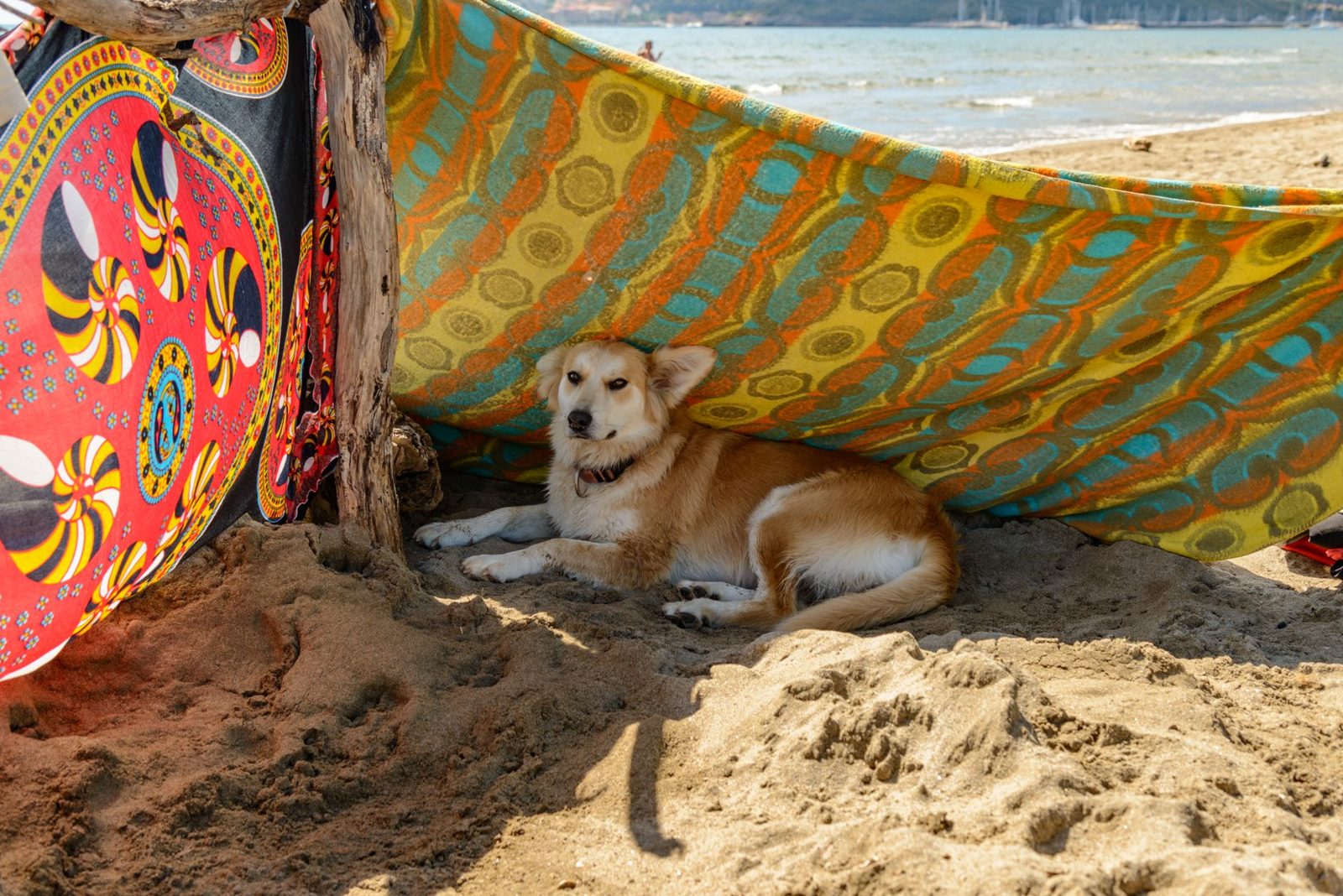
- Ensure constant access to real shade (a tree or canopy, not a doghouse, which traps heat)
- Try a pet water fountain, a shallow kiddie pool, or a cooling mat for dogs that like it
- Bring outdoor cats and small pets inside; move rabbit/guinea-pig hutches out of the sun
As an Amazon Associate, Clearly earns from qualifying purchases — at no extra cost to you.
Watch the pavement and the clock
Asphalt and concrete run far hotter than the air and can burn paw pads.
- Seven-second test: press the back of your hand to the pavement — if you can’t hold it for 7 seconds, it’s too hot for their paws
- Walk in the early morning or after sunset; stick to grass and shade
- Consider dog booties for hot surfaces
- Go easy on flat-faced breeds (bulldogs, pugs, Persians) and older or overweight pets — they overheat fastest
As an Amazon Associate, Clearly earns from qualifying purchases — at no extra cost to you.

Cool an overheated pet safely
If a pet is overheating, cool them gradually — and still see a vet:
- Move to shade or AC right away
- Wet them with cool, not ice-cold, water — belly, paws and armpits — with a fan going
- Offer small amounts of cool water; don’t force it
- Avoid ice or ice water, which can constrict vessels and slow cooling
- Don’t shave a double-coated dog to the skin — the coat insulates against heat; brush out loose undercoat instead
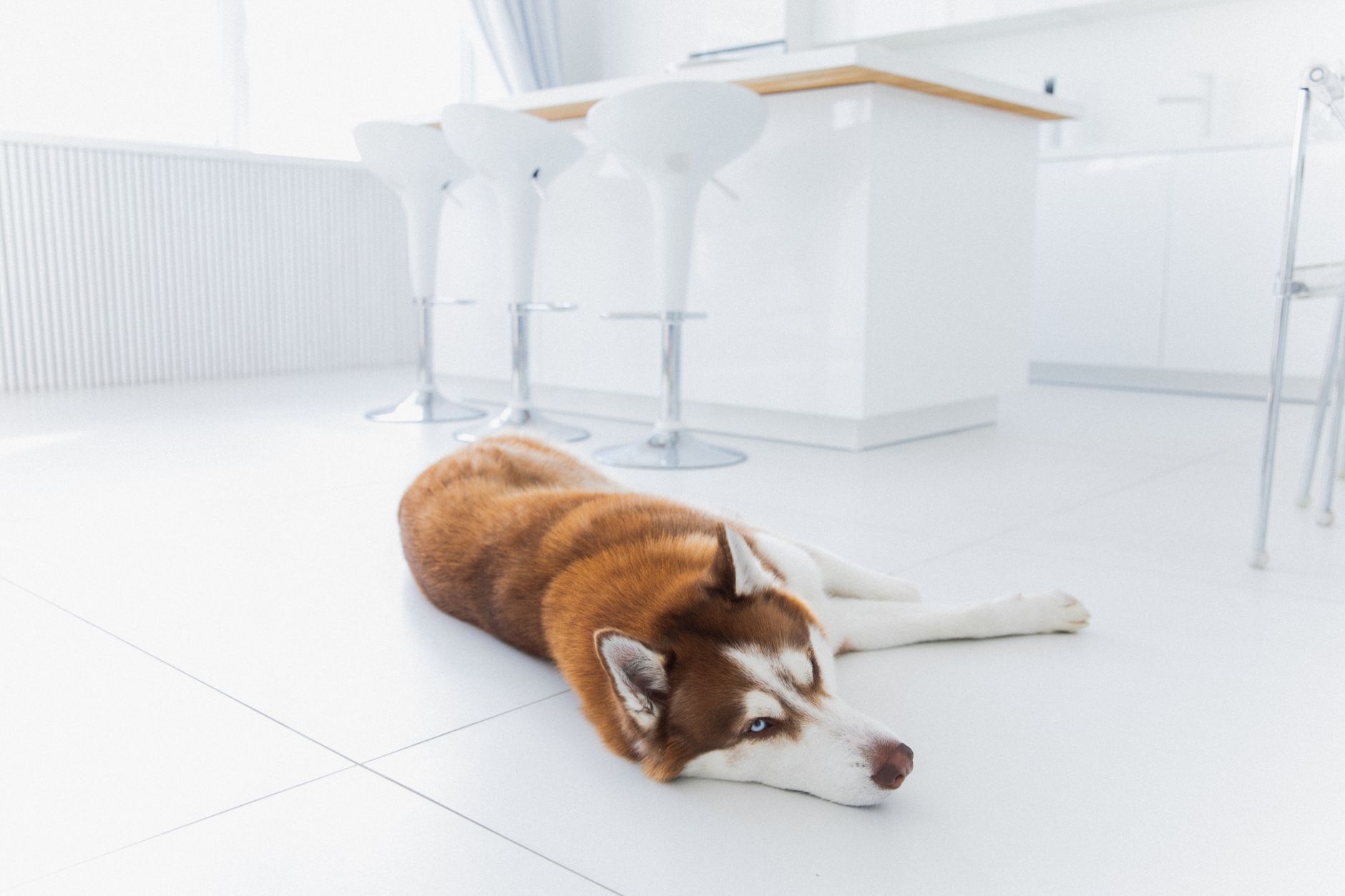
Smoke and pets go together
Heat waves and wildfire smoke often arrive together, and pets’ lungs suffer just like ours.
- On smoky/high-AQI days, keep pets indoors and skip long walks
- Give birds and small pets extra protection — they’re very sensitive to smoke
- Watch for coughing, wheezing, watery eyes or lethargy; call your vet if it appears
- When in doubt on any hot or smoky day, the safest place for your pet is inside with you

Pet emergency numbers
More home & yard tips
Practical, seasonal how-tos — and free calculators for every project.