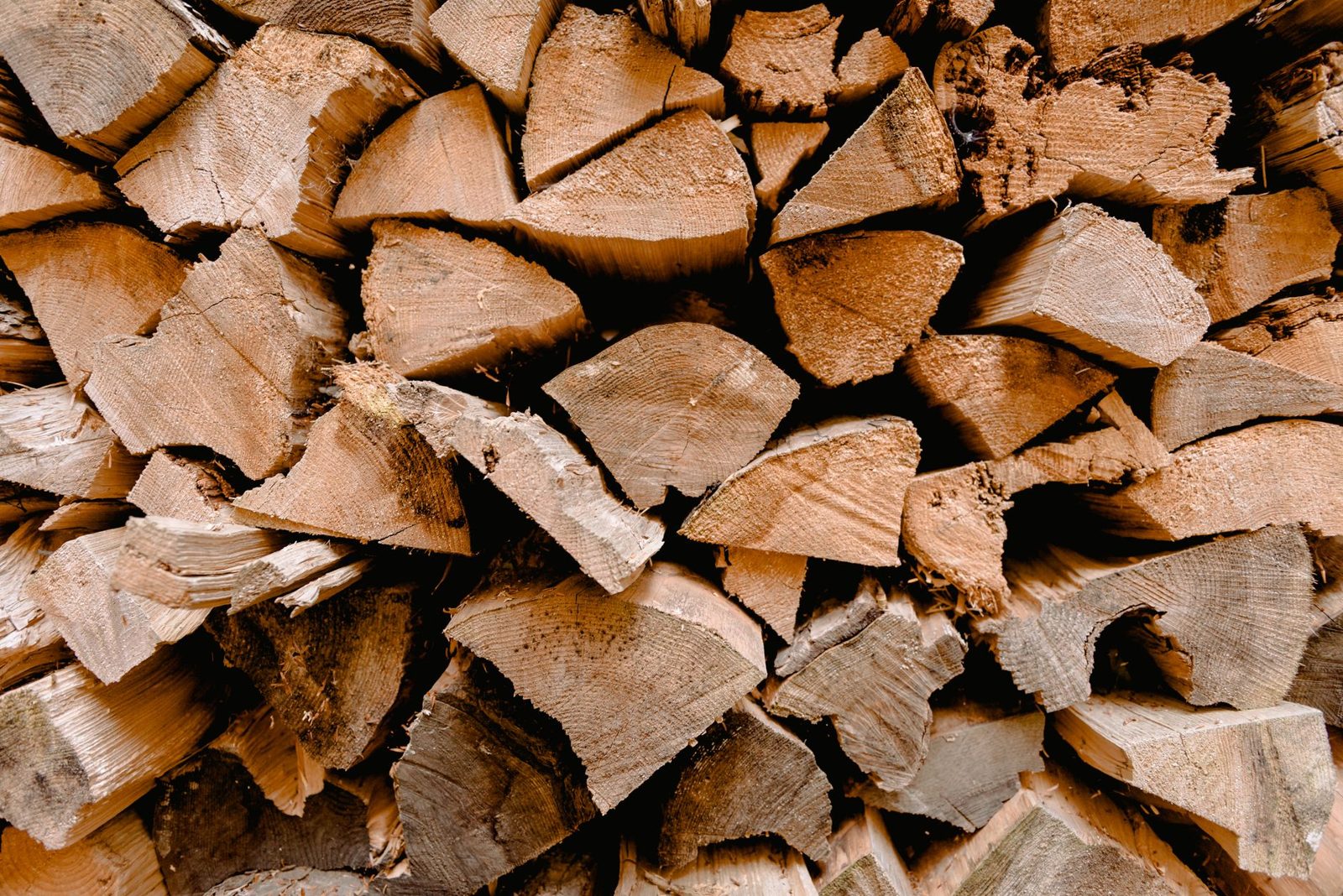
Buying firewood by “a truckload” is how people get shorted. Here’s exactly what a cord is (and how it differs from a face cord), how much you’ll burn, and how to season and stack it so every log burns hot and clean.
What a “cord” actually is
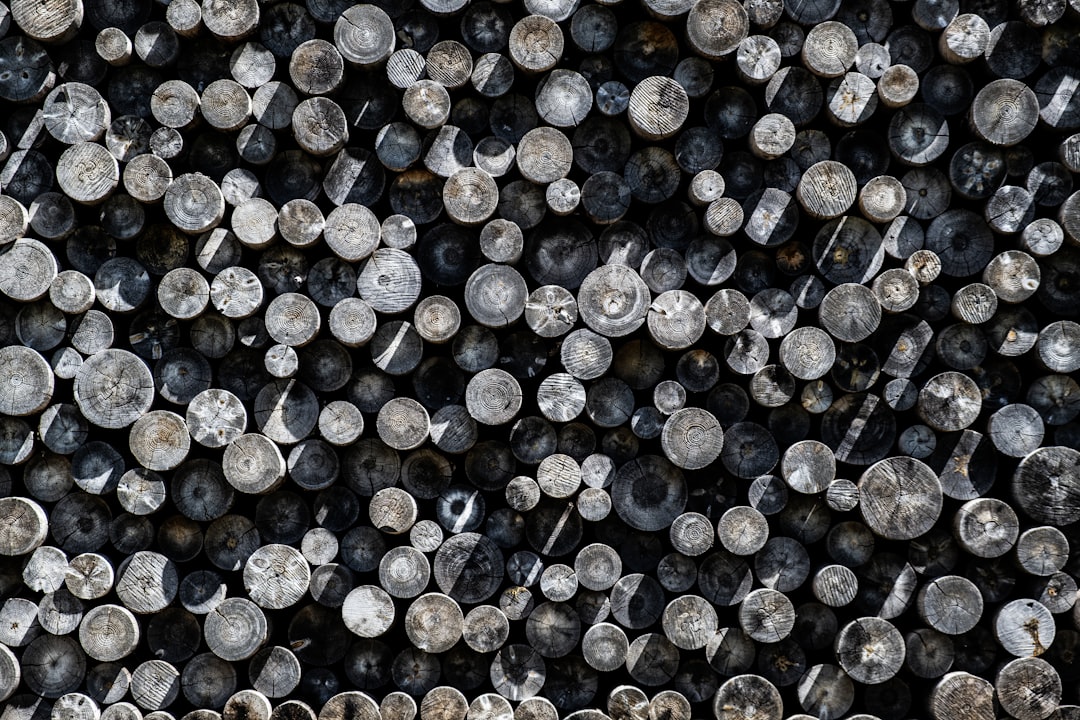
A cord is a unit of volume, not a loose pile: 128 cubic feet of tightly stacked wood — classically a stack 4 ft high × 4 ft deep × 8 ft long. The one that trips people up is a face cord (or “rick”): same 4×8 face, but only as deep as the logs are long — usually 16″. So a face cord of 16″ wood is about one-third of a full cord. Know which one you’re buying before money changes hands.
Full cord = 4×4×8 ft = 128 cu ft. Face cord (16″ logs) ≈ 1/3 of a full cord. Always confirm which one a seller means.
How much will you actually burn?
Rough planning numbers: an occasional weekend fire might go through 1–2 face cords a season. A regular fireplace or stove used most evenings runs 2–3 full cords. Heating primarily with wood all winter can take 4–6 full cords, depending on climate and how tight the house is. Buy a little more than you think — seasoned wood keeps for years, and running out in February means paying peak prices.
Seasoning: the part everyone skips
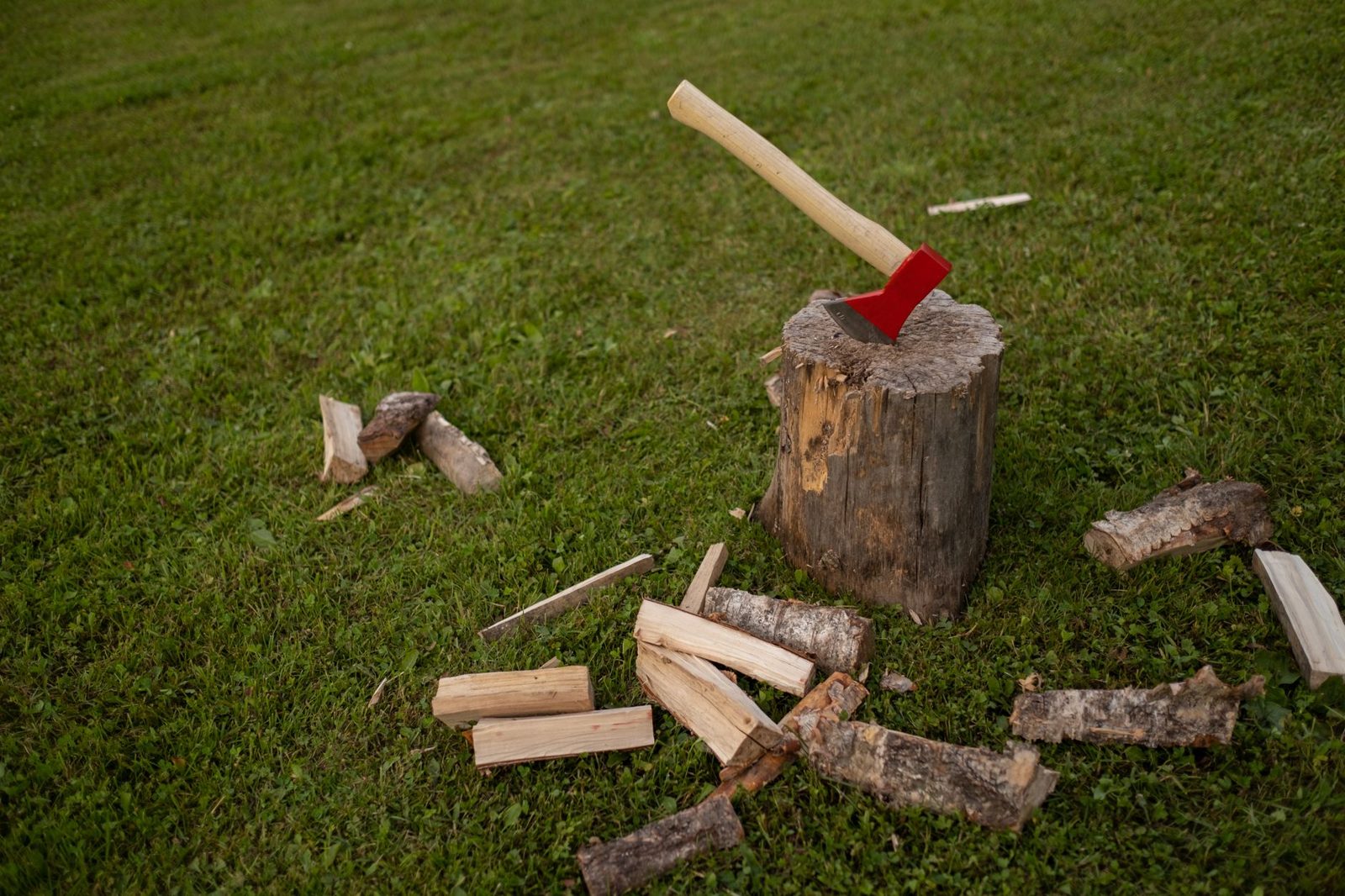
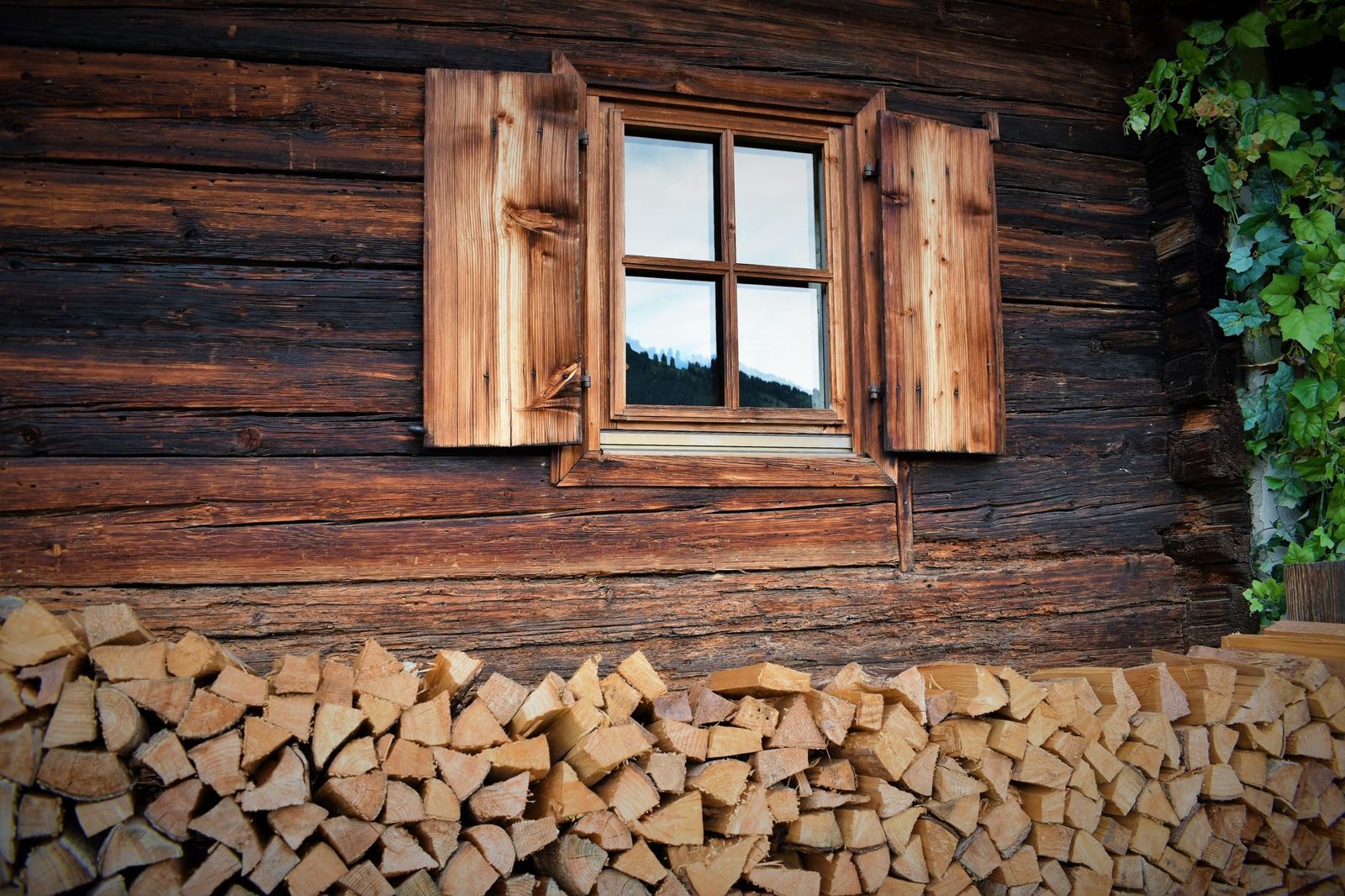
Fresh-cut (“green”) wood is up to half water — it hisses, smokes, gives little heat, and cakes your chimney with creosote. Properly seasoned wood has dried 6–12 months (longer for oak) down to under 20% moisture. A $15 moisture meter settles every argument with a seller: split a piece, test the fresh face, and look for the teens. Cracked ends, gray color, and a hollow “clunk” when two pieces knock together are the field signs.
As an Amazon Associate, Clearly earns from qualifying purchases — at no extra cost to you.
Stack it so it stays dry
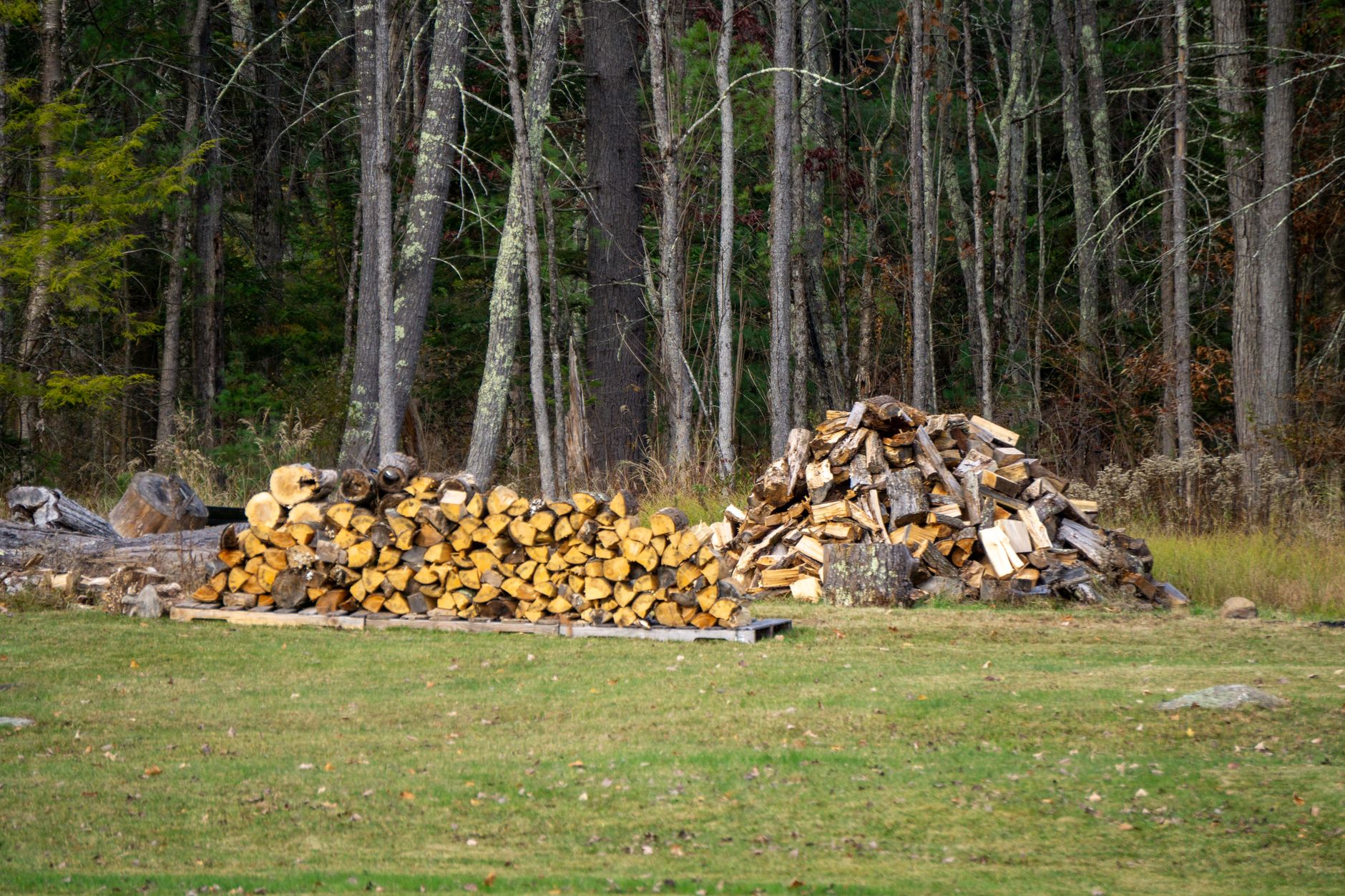
Storage makes or breaks your wood. Keep it off the ground on a log rack or a couple of rails so it doesn’t wick moisture and rot. Stack it loosely in a single row where sun and wind can reach it. Cover the top only — a tarp wrapped all the way down traps moisture and defeats the point. And keep the pile a little away from the house so you’re not inviting insects against the siding.
As an Amazon Associate, Clearly earns from qualifying purchases — at no extra cost to you.
Buying tips: don’t get shorted
“A truckload” and “a pile” are not units. Insist on a cord or face cord, and stack-and-measure on delivery: length × height × depth in feet, divided by 128, tells you the fraction of a cord you got. Ask what species it is — dense hardwoods (oak, maple, hickory, ash) burn longer and hotter than softwoods — and whether it’s seasoned or green. Green wood at a seasoned price is the most common way to overpay.
Clearly is a whole toolbox of free jobsite calculators — concrete, mulch, lumber and more. See the free tools →
More home & yard tips
Practical, seasonal how-tos — and free calculators for every project.